How Much Does a Bespoke Wooden Door Cost in Ireland in 2026?
A bespoke hardwood door costs more than a standard door from a builder’s merchant. That gap is real and it is worth understanding before you start getting quotes, because the difference between a made-to-measure solid hardwood door and a modified standard size is not just a price difference. It is a different product.
This guide covers realistic 2026 pricing for bespoke wooden doors and frames in the Louth and South Armagh market, and explains what each element of cost represents.
The Honest Price Ranges
| Door Type | Typical Range (supply, make, and fit) |
|---|---|
| Bespoke hardwood external door | €1,800 to €4,500 |
| Bespoke French door set, solid oak | €3,500 to €7,000 |
| Bespoke solid hardwood internal door | €400 to €900 per door |
| Painted solid-core internal door, MDF finish | €250 to €500 per door |
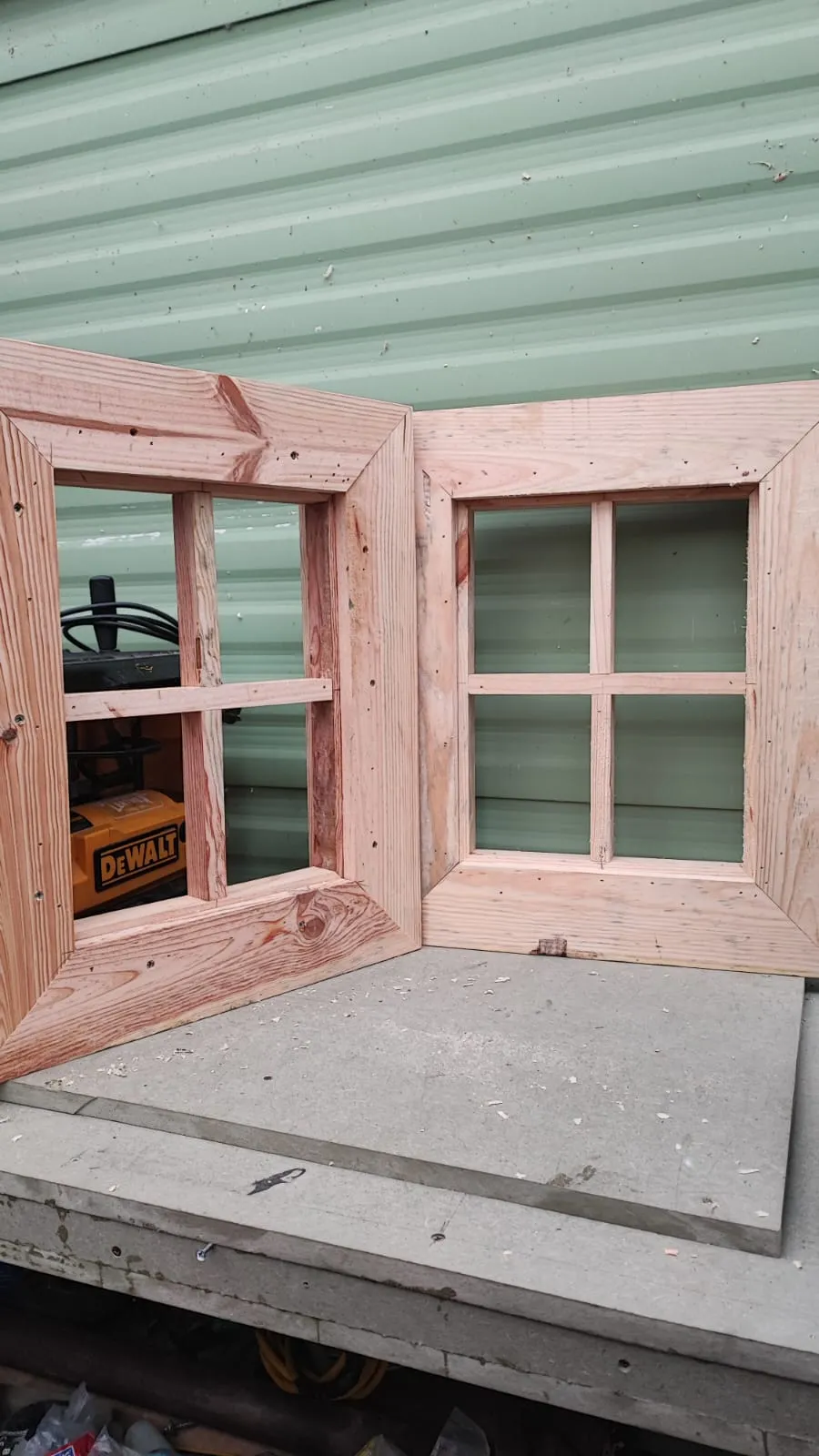
| Timber window frame replacement, double-glazed | €1,400 to €2,800 per unit |
These figures cover design, workshop build, and fitting by Setanta Woodcraft across Co. Louth and South Armagh. Dublin rates typically run 10-15% higher.
For comparison, a standard off-the-shelf external hardwood door from a builder’s merchant runs €800 to €1,600 for the door alone, plus fitting. A standard composite door supply and fit: €2,000 to €3,500. The bespoke premium is real but narrower than many people expect, particularly when the opening is non-standard and a standard door would not fit correctly anyway.
What Drives the Cost
Whether the opening is standard or non-standard
This is the most significant variable. A standard modern doorway is 838mm wide and 1,981mm tall (approximately 2100mm floor to top of frame). A bespoke door to a standard-size opening can be made more efficiently than one to an unusual width or height.
Older homes across Co. Louth, Carlingford, and the Cooley Peninsula routinely have doorways that are 760mm wide, or 780mm, or 850mm with a non-standard head height. None of these takes a standard door without cutting the frame or the door itself, which is neither clean nor structurally ideal. A door made to the exact opening costs more but fits correctly.
External versus internal
External doors require greater material specification than internal. Hardwood species suited to exterior use, correctly seasoned and dimensionally stable. Glazing units that meet building regulation thermal performance requirements. Weather stripping, quality ironmongery, and multi-point locking hardware for security.
An internal door is a much simpler commission: solid timber or solid-core construction, with hardware and finish to suit the interior.
Glazing specification
A solid external door with no glass is the cheapest configuration. A door with a decorative glazed panel or full-length sidelights requires sealed double-glazed units, which add both material cost and making complexity. French door sets with multiple glass panels are the most material-intensive option.
For energy performance, the glazing specification matters as much as the door construction. A well-made hardwood door with a poor glazing unit will not perform well. John specifies sealed units with appropriate U-values for the opening and the client’s heating requirements.
Timber species
Oak: The most widely used hardwood for doors in Ireland. Dense, durable, available in the quality grades appropriate for door making. Cost: mid-range within hardwoods.
Idigbo: A West African hardwood commonly used for external joinery in Ireland. Very stable, naturally rot-resistant, lighter than oak. Similar cost to oak.
Accoya: Acetylated softwood with hardwood performance. Exceptional dimensional stability for window frames, particularly on exposed sites. Premium over standard hardwood.
Painted softwood: For internal doors where a painted finish is the goal, a well-made softwood frame with solid-core construction is appropriate and more cost-effective than hardwood throughout.
Frame and cill
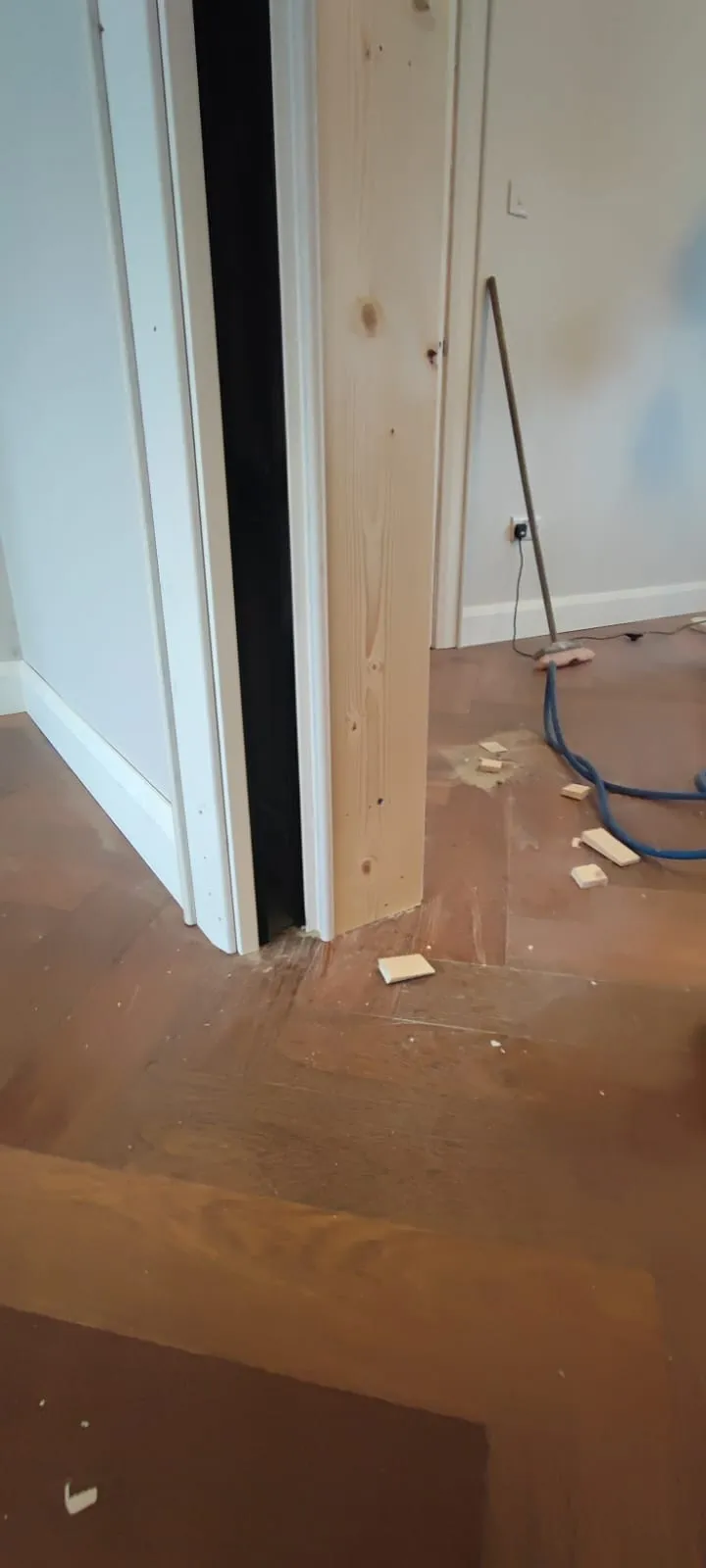
A bespoke door is only as good as the frame it sits in. John makes door frames and cills as part of the commission unless the existing frame is in good condition and can be retained. A new hardwood door in an old rotted frame is a waste of the door’s quality.
Is Bespoke Hardwood Worth More Than a Composite Door?
The honest comparison:
Composite doors require no maintenance, perform well thermally, are very secure, and cost €2,000 to €3,500 supply and fit for standard sizes. They look like timber from a distance. Up close, they do not. They are not repairable in the way timber is; a damaged composite panel typically requires full replacement.
Bespoke hardwood doors require periodic painting or oiling, typically every five to seven years for an external door. They are repairable: a dented or scratched timber door can be sanded, filled, and refinished. They look like timber because they are timber. On a heritage property in Carlingford or a period house in Dundalk, a composite door is incongruous in a way that is difficult to fully explain but immediately visible.
The right choice depends on how much the maintenance commitment matters to you and how much the material authenticity matters. For a family home on a modern estate, composite is a rational choice. For any home with period character, hardwood makes the building look right in a way composite does not.
What the Fitting Involves
Fitting a bespoke external door involves removing the old door and frame, preparing the opening if required, installing the new frame and door, hanging and adjusting the door until it swings correctly and seals properly, and fitting all hardware. This typically runs a half-day to a full day for a single door.
French doors with new frames take one to two days. The fitting sequence matters: the frame goes in first, checked for level and plumb, before the doors are hung into it. Any error in the frame installation is carried into the door hang.
Frequently Asked Questions
Can I supply my own door and have it fitted only? Yes, fitting-only is possible. The important caveat is that John will inspect the door before agreeing to fit it. A poorly made door fitted by a skilled carpenter is still a poorly made door, and John will not put his name on a result he cannot stand behind.
How long does a bespoke hardwood door last? A correctly made, properly finished, and well-maintained hardwood external door should last thirty to fifty years or more. The limiting factors are typically the finish breaking down, which is addressed by periodic repainting or re-oiling, and the frame rather than the door itself.
What ironmongery do you use? Hardware quality matters for the long-term function of a door. John uses quality hardware as standard: solid brass or stainless ironmongery for external doors, and hardware appropriate to the style of the door for internal. Clients can specify particular hardware if they have a preference.
For bespoke hardwood doors, French doors, and window frames across Dundalk, Carlingford, Newry, and Co. Louth, the Setanta doors and windows service starts with a site visit. Contact John directly on 083 003 3268.