How Much Does a Live Edge Dining Table Cost in Ireland in 2026?
A live edge dining table is one of the most frequently asked-about commissions for Setanta Woodcraft. It is also one of the hardest to price without seeing the slab, because the slab is most of the cost and every slab is different.
This guide explains what drives the price of a live edge dining table in Ireland, what realistic budgets look like in 2026, and what you are actually paying for when you commission one from a craftsman rather than buying a factory-made approximation.
The Honest Price Ranges
For a live edge dining table made by Setanta from a quality Irish or sourced hardwood slab in 2026:
| Table Type | Typical Price Range |
|---|---|
| Small live edge table, oak or ash, 4 seats | €1,200 to €2,000 |
| Standard dining table, oak slab, 6 seats | €1,800 to €3,200 |
| Large dining table, wide oak slab, 8 seats | €2,800 to €4,500 |
| Walnut slab dining table, 6 seats | €2,500 to €4,500 |
| Elm or character oak, highly figured | €2,000 to €5,000+ |
These figures include the slab, making, finishing, and a steel or timber base. Delivery within Co. Louth is included. Further afield is by arrangement.
For context: a mass-produced live edge-style table from a furniture retailer runs €600 to €1,500. It is not the same product. The slab is not live edge: it is a straight-cut table with a decorative edge profile. The timber is often rubber wood, acacia, or similar low-cost tropical species veneered or stained to look like something it is not. The difference is visible immediately to anyone who has seen real live edge work.
What Drives the Cost
The Slab
The slab is the single biggest cost variable in a live edge table. A quality native hardwood slab, properly dried and of sufficient width for a dining table, is expensive raw material.
The cost of a slab is driven by:
Species: Oak and ash are the most cost-effective native hardwoods for slabs. Walnut runs 50-80% higher. Elm, with its particularly dramatic swirling grain, is available in limited quantities and commands a premium. Yew, cherry, and similar smaller-diameter native species are suitable for smaller pieces but rarely produce dining-table-width slabs.
Width: A dining table needs a slab of at least 700mm and ideally 800-900mm in finished width. Wide trees are rare. A slab over 800mm wide from a native oak or ash has taken sixty to eighty years to grow. Its scarcity is reflected in its cost.
Figure: Highly figured timber, burrs, curl, ray fleck, and crotch pieces are more striking visually and correspondingly more expensive. A plain straight-grained slab of oak is less expensive than a highly figured wide plank from the same species.
Drying: Properly air-dried or kiln-dried slab costs more than green (wet) wood. A slab that has not been adequately dried before making will move significantly after the table is complete, causing cracking, cupping, and joint failure. Properly dried slab is a non-negotiable starting point for quality work.
Making and Finishing
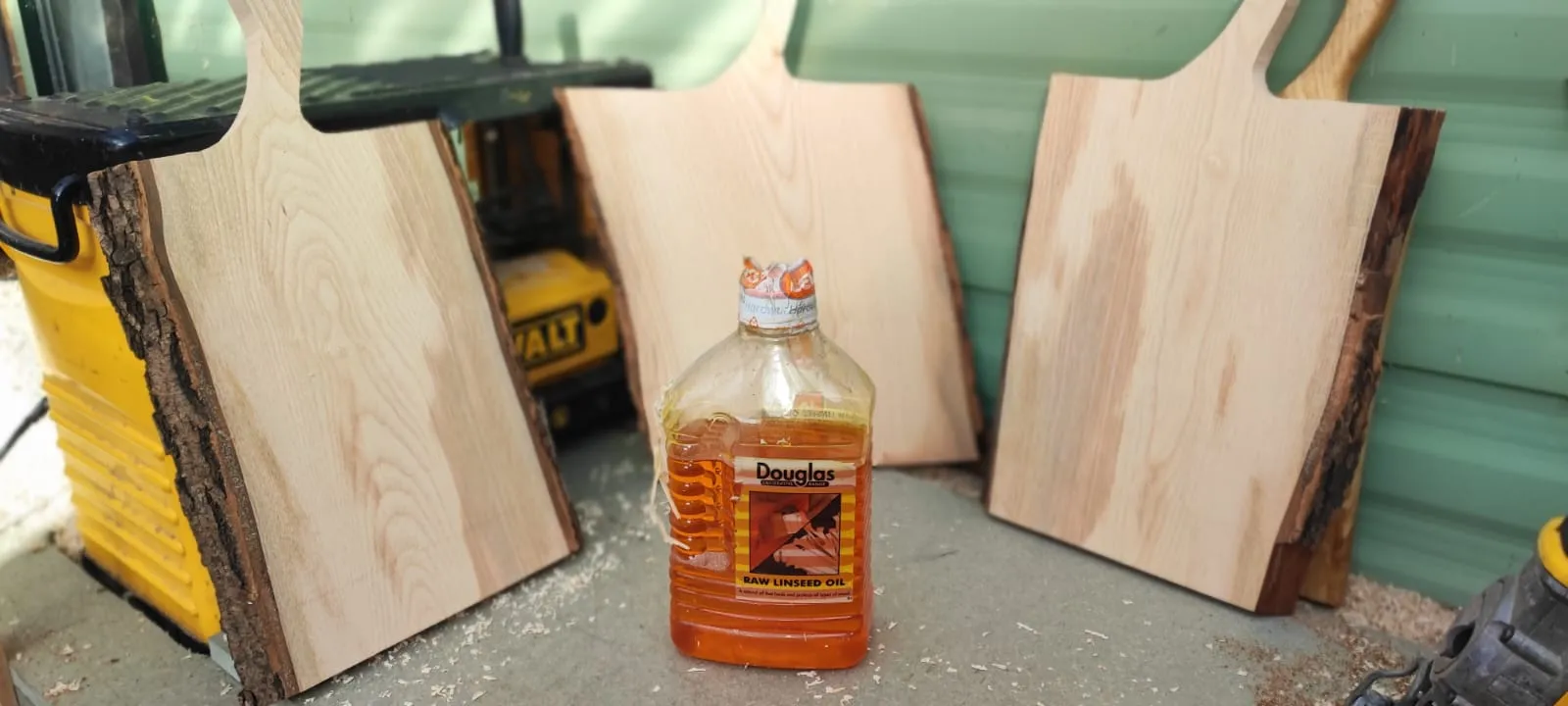
The labour in a live edge table involves flattening the slab, filling any voids or checks with coloured epoxy or matched timber, sanding through progressively finer grits, applying hardwax oil or lacquer finish, and fabricating and attaching the base.
For a simple slab on a hairpin leg or steel base, making takes two to three days. For a more complex commission with significant void filling, bookmatched slabs, or a custom timber base with mortice-and-tenon joinery, it can run five to eight days.
The Base
Base options significantly affect the overall cost:
- Steel hairpin legs: The simplest and most cost-effective. Clean contemporary look, €80-€150 for a set of four.
- Welded steel box section base: A more substantial contemporary base, €200-€450 depending on specification.
- Solid timber trestle base: Traditional style, hardwood to match or complement the slab, €350-€700.
- Custom fabricated base: A base designed specifically for the slab’s form and the client’s brief, any cost from €300 upward depending on complexity.
Live Edge vs Standard Dining Tables: Is the Premium Justified?
A quality live edge dining table from a craftsman costs more than a quality standard dining table of the same size. Whether that premium is justified depends on what you value.
A standard dining table is designed to disappear into the room. It is furniture. A live edge table is designed to be present: it has a form that cannot be replicated because the tree that produced the slab was unique. It ages in a way that makes it more characterful over time rather than more worn. It is a piece that most households keep for decades and that produces genuine attachment in the people who use it.
For a family in Co. Louth that eats dinner together, gathers for celebrations, and hosts guests at a table, a well-made live edge dining table is the centre of that life. That is worth the premium over furniture that is simply adequate.
Frequently Asked Questions
Can I choose the specific slab for my table? Yes. John shows clients available slabs or sources options based on the brief, and the final slab selection is made together. This is part of how a commissioned piece differs from buying off a website.
What finish is used on a live edge dining table? Hardwax oil is the standard finish at Setanta. It feeds the wood, shows the grain at its best, and is repairable locally when worn. For clients who prefer a more durable surface and are comfortable with a slightly more plastic-looking finish, water-based lacquer is an option.
Can a live edge table be used outdoors? Not in standard specification. Outdoor use requires a different species selection, different joinery, and an exterior-grade finish. John can make outdoor furniture to order but the specification is different from an interior piece.
For a live edge dining table commission in Carlingford, Dundalk, Newry, or across Co. Louth, the Setanta live edge woodwork service is the starting point. Contact John directly on 083 003 3268.