Specialist Carpenter vs General Builder for Fit-Out: Which Is Right for Your Project?
This question comes up on most renovation projects in Co. Louth and South Armagh, usually around the time the plastering finishes and the client needs to decide who is doing the second fix. It is a genuine decision with a real answer that depends on the project, and it is worth thinking through clearly before you commit to either route.
What a General Builder Does
A general builder, or main contractor, manages and executes a broad range of construction work. On a renovation project, a general builder typically organises multiple trades, manages the programme, and carries out the less specialist work directly while subcontracting the specialist elements.
For carpentry specifically, a general builder will usually have a carpenter on staff or a preferred subcontractor they work with. The carpenter’s role is to keep the project moving: hang the doors, fix the skirting, board the ceilings where needed, and move on. Speed and reliability within the overall programme are the priorities.
This is a legitimate model for straightforward fit-out work. It works well when:
- The carpentry specification is standard: pine skirting, standard doors, no complex joinery
- The project timeline is the main priority
- The client is paying the builder a fixed price for the complete project
What a Specialist Carpenter Does Differently
A specialist carpenter takes on carpentry work directly, without the general builder layer. The quality of the carpentry work is the primary focus, not the management of a multi-trade programme.
The practical differences:
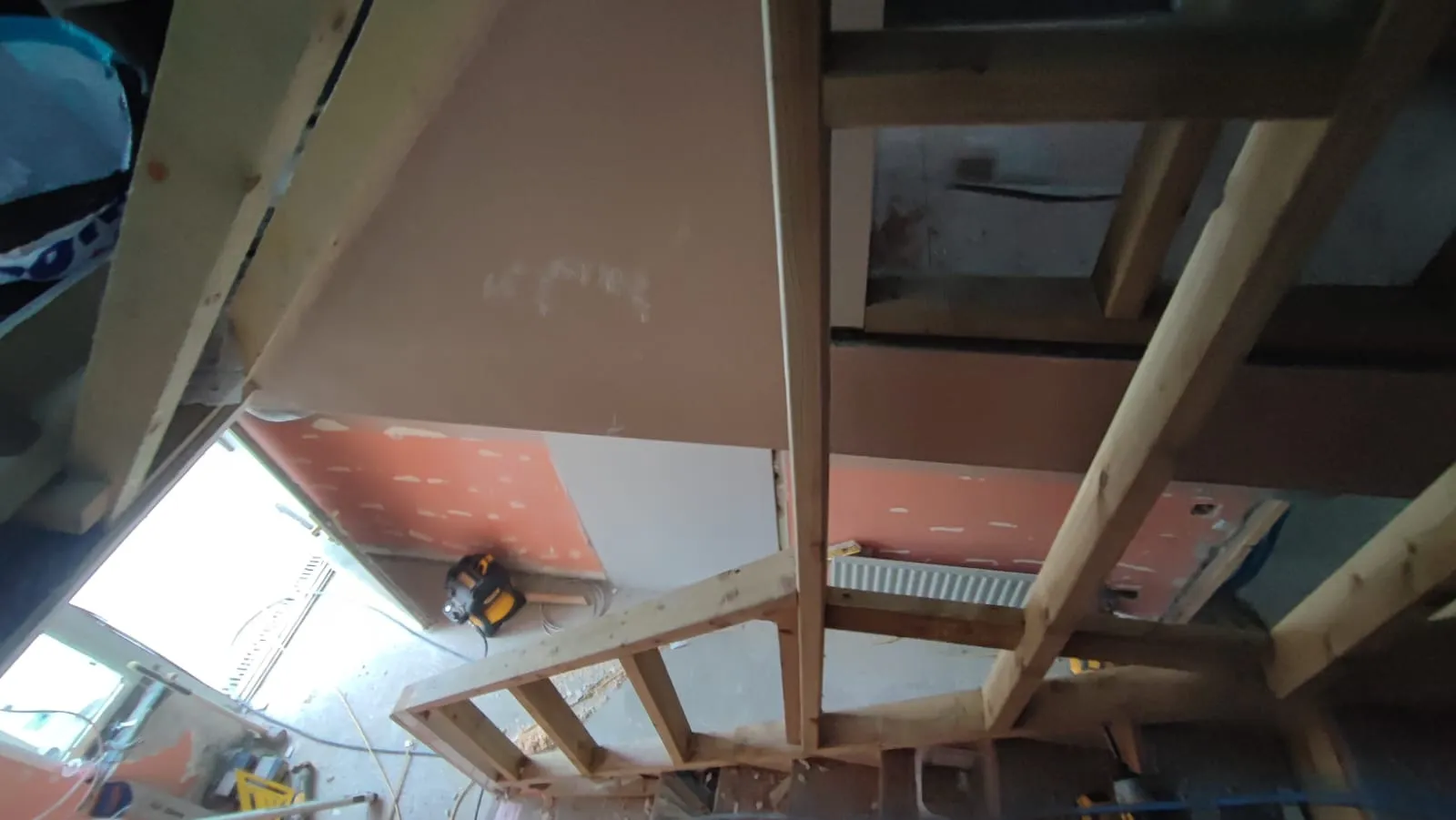
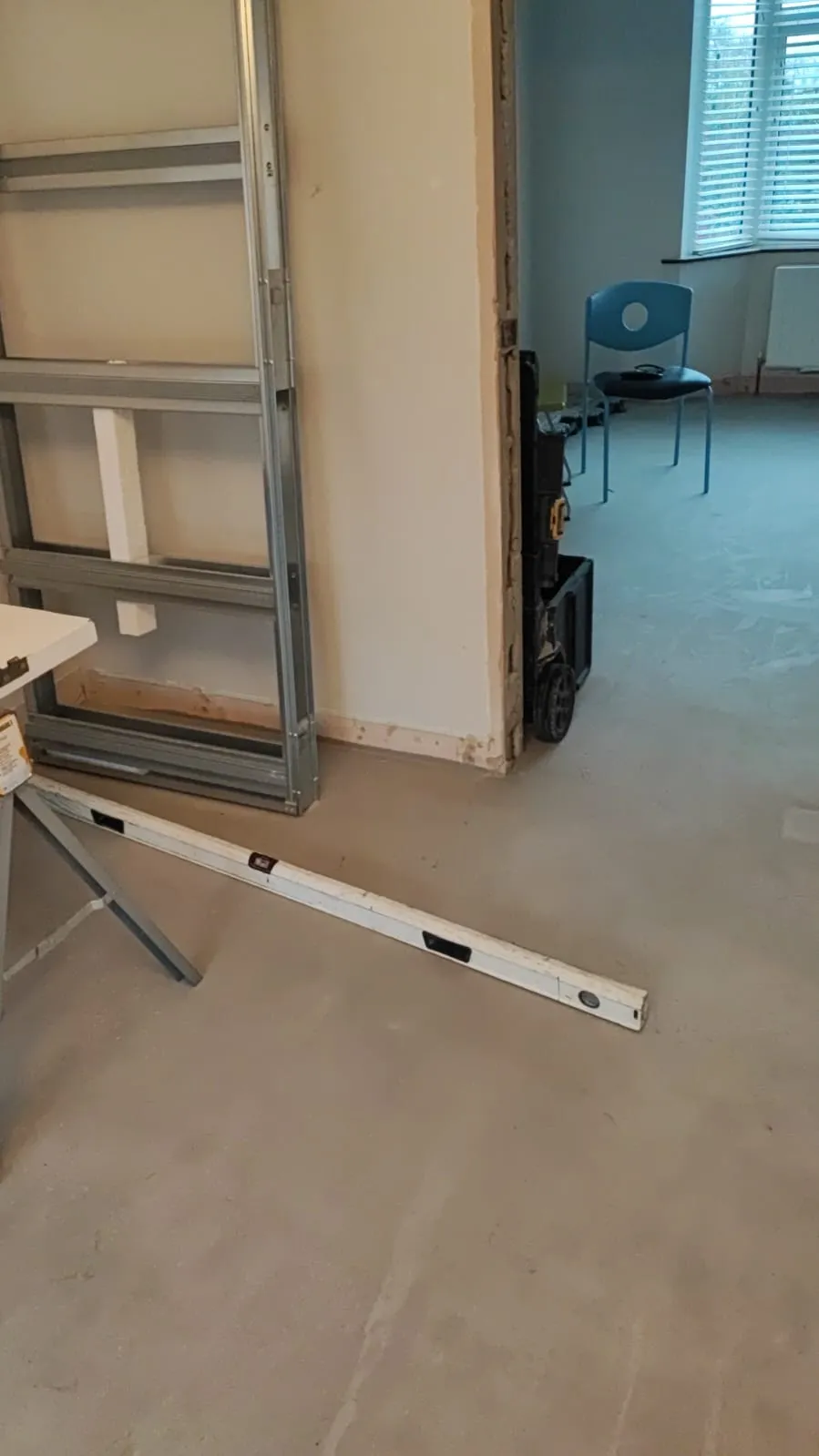
Attention to first fix accuracy. A specialist carpenter setting out stud walls checks them for plumb, adjusts before plastering rather than after, and ensures the door frame openings are correctly sized and square. A labourer or subcontractor working at volume does not always do this.
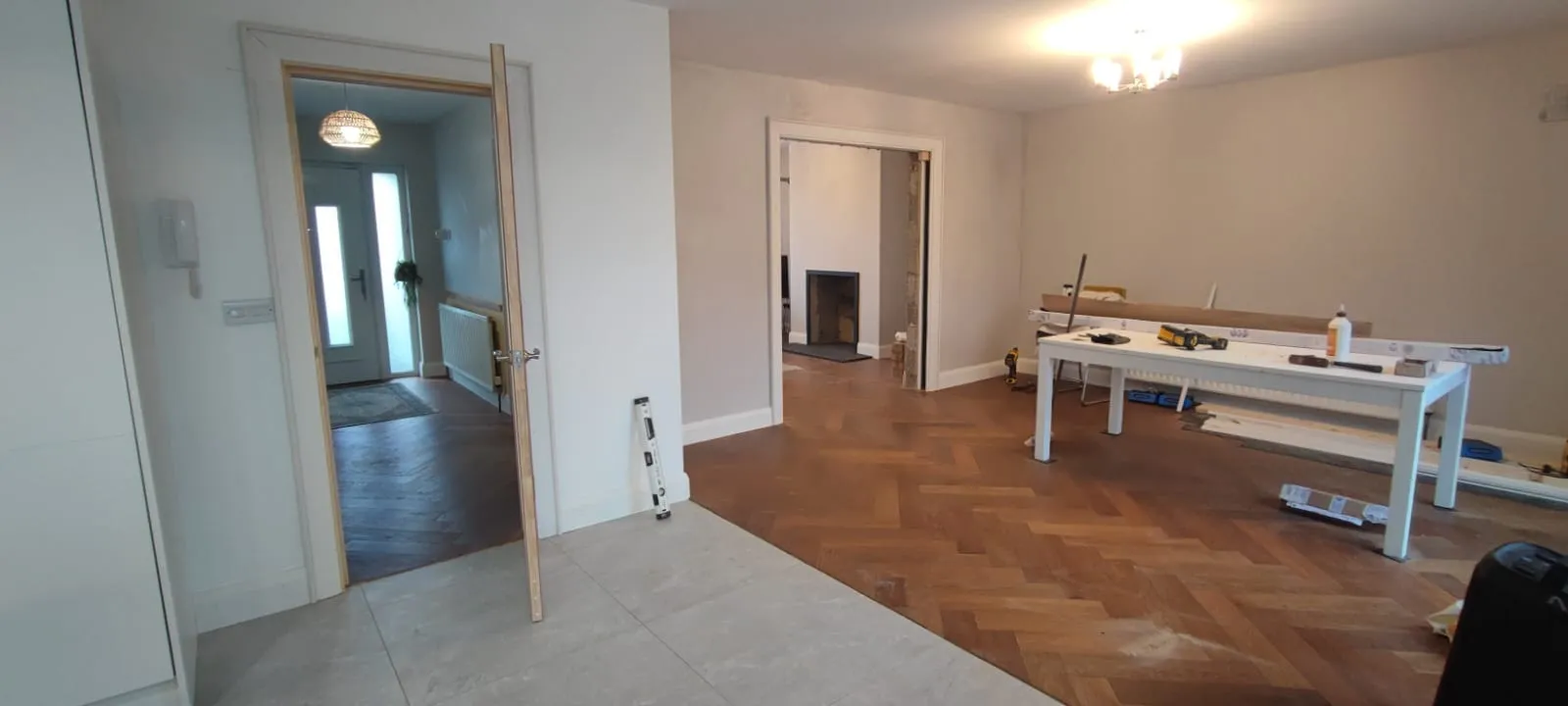
Door hanging quality. This is the most visible differentiator. A specialist who hangs doors every week develops a consistent technique: hinge mortices to precise depth, gaps checked around the frame before the door is lifted in, ironmongery fitted and adjusted. A general builder’s carpenter hanging doors as one of many tasks produces more variable results.
Skirting and architrave detail. The quality of mitres, the tightness of the joint to the plaster face, and the consistency of height and reveal are all better in the hands of a tradesperson who works at this detail regularly.
Flexibility to advise. A specialist carpenter who is directly engaged by the client will flag problems as they arise: a stud wall that is not plumb enough for the planned fitted wardrobe, a door frame opening that is too narrow for the specified door, a subfloor level that will affect door clearance. A subcontractor managed by a builder often does not have the same incentive to escalate these issues.
When a General Builder Is the Right Choice
A general builder managing the carpentry sub-trade is appropriate when:
- The project is a complete house renovation with multiple trades and the builder is managing the full programme
- The carpentry specification is standard and the priority is programme management rather than premium finish quality
- The client prefers a single point of contract responsibility for the whole project rather than managing individual trades
In this scenario, the quality of the builder’s carpentry subcontractor is what determines the carpentry standard. Ask the builder directly who does their carpentry, whether it is in-house or subcontracted, and whether you can see examples of their second fix finish quality before committing.
When a Specialist Carpenter Is the Right Choice
Engaging a specialist carpenter directly is the better option when:
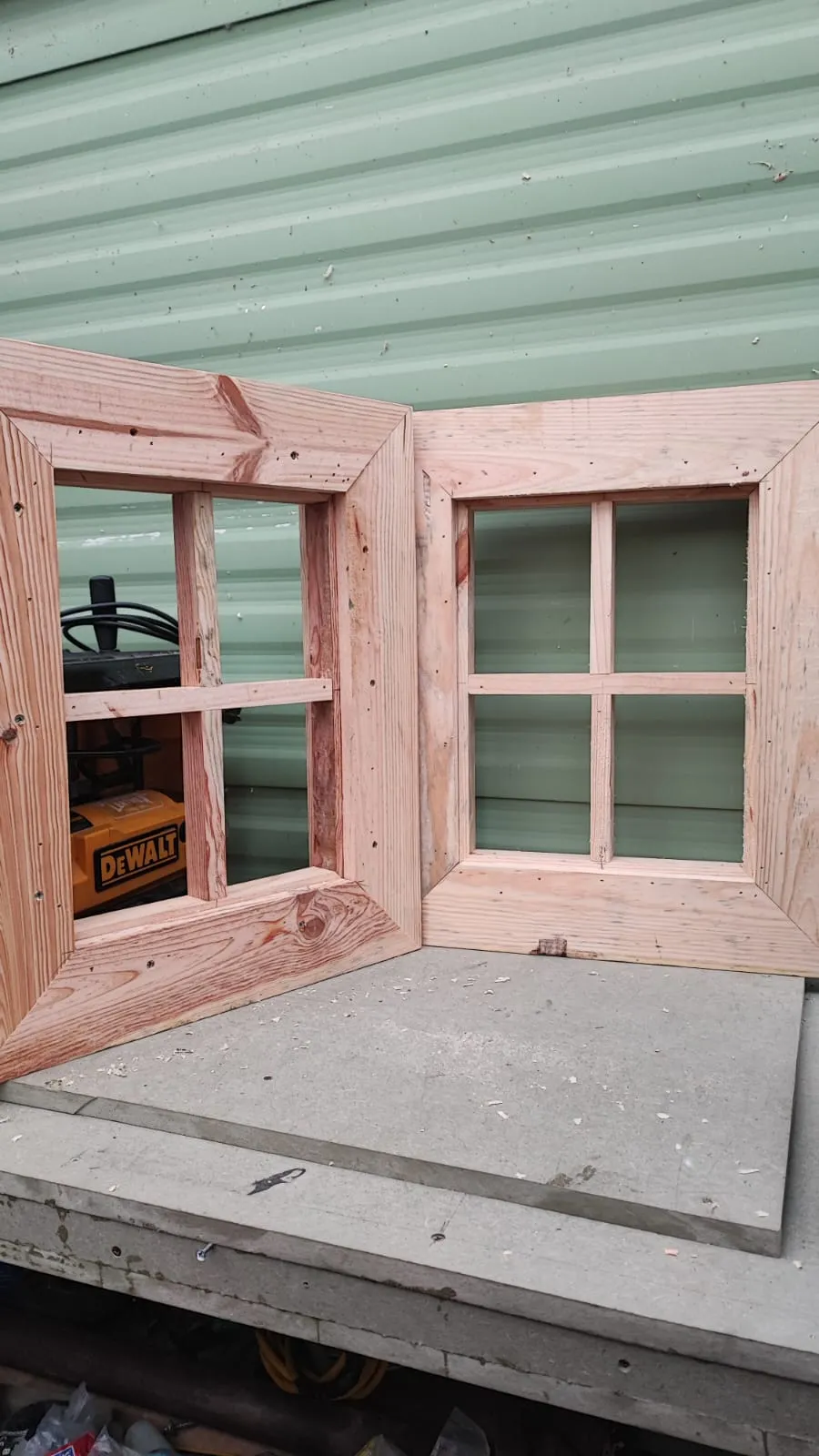
- The project involves any bespoke joinery: fitted kitchen, bespoke wardrobes, staircase, doors to non-standard openings. These require a craftsman’s attention that a volume subcontractor does not provide
- The specification is higher than standard: hardwood skirting and architrave, quality internal doors, joinery elements that will be visible for decades
- The client is managing the renovation directly as a self-build or project-managed renovation and wants direct relationships with each trade
- The renovation involves heritage joinery that requires assessment and judgement rather than standard installation
For the Dundalk and Newry developer market, the practical approach on larger projects is usually a hybrid: a general builder for the structural elements and programme management, with a specialist carpenter directly engaged for second fix quality finish and any bespoke joinery items. This produces better carpentry quality than leaving the second fix entirely to the builder’s subcontractor, at the cost of slightly more direct management.
The Cost Comparison
A general builder managing carpentry as part of a fixed-price project typically prices a margin on the subcontracted carpentry cost. The carpentry subcontractor works to the builder’s rate, not a specialist’s rate.
A specialist carpenter engaged directly charges their own rate without the builder’s margin. Day rate for a specialist carpenter in Co. Louth and South Armagh in 2026: €300 to €380 per day, labour only.
For a standard second fix on a 3-bed house, a specialist carpenter will typically produce a better quality result than a builder’s subcontractor at a similar or marginally higher total cost, because the work is done more efficiently with fewer errors requiring correction. The full fit-out cost guide covers realistic 2026 costs for both approaches.
Frequently Asked Questions
Can a specialist carpenter also manage first fix on a renovation? Yes. John takes on first fix work as part of renovation projects across Co. Louth and South Armagh. The distinction between first and second fix carpenter roles is a practical division on large sites. On smaller projects and renovations, a single specialist carpenter managing both stages is more efficient and produces better continuity.
If I engage a specialist carpenter separately, who manages the programme? You do, or your architect or project manager does. Engaging trades directly means taking on the coordination role that a main contractor would otherwise manage. This is workable for homeowners who are comfortable with this responsibility and produces cost savings versus a main contractor model, but it requires active project management.
What should I ask a specialist carpenter before engaging them? Ask to see completed second fix work: door hanging, skirting corners, architrave detail. Ask how they handle problems found on site that affect the carpentry sequence. Ask for a written quote specifying what is and is not included. The guide to common carpentry mistakes in new builds covers what to look for when assessing the quality of past work.
For renovation carpentry and fit-out across Dundalk, Carlingford, Newry, and Co. Louth, the Setanta renovation carpentry service covers both first and second fix directly. Contact John on 083 003 3268 to discuss your project.