How to Tell the Difference Between Quality Handmade Woodwork and Mass-Produced
The market for wooden furniture and joinery in Ireland is full of things that describe themselves as handmade, bespoke, or artisan. Most of them are not. They are factory products with a story attached by a marketing department, sold at prices that imply handcraft and deliver something else.
This is not a condemnation of the factory-made furniture industry. There is a place for affordable, functional, decent-quality production furniture. The problem is when buyers spend premium prices expecting handcrafted quality and receive a factory product with better-than-average photography.
Here are six things that distinguish genuine handcraft from a convincing imitation, and how to identify them before you commit.
1. The Joints
The joint is the fundamental unit of woodcraft. How two pieces of timber come together tells you more about the quality of a piece than almost anything else.
What factory joints look like: Pocket screws hidden behind plugs. Cam locks accessed through small holes in panels, with a visible plug or cap. Biscuit joints that are glued and invisible. Dowels in production furniture. These are not bad joints. They are fast joints, designed for assembly by semi-skilled workers at volume.
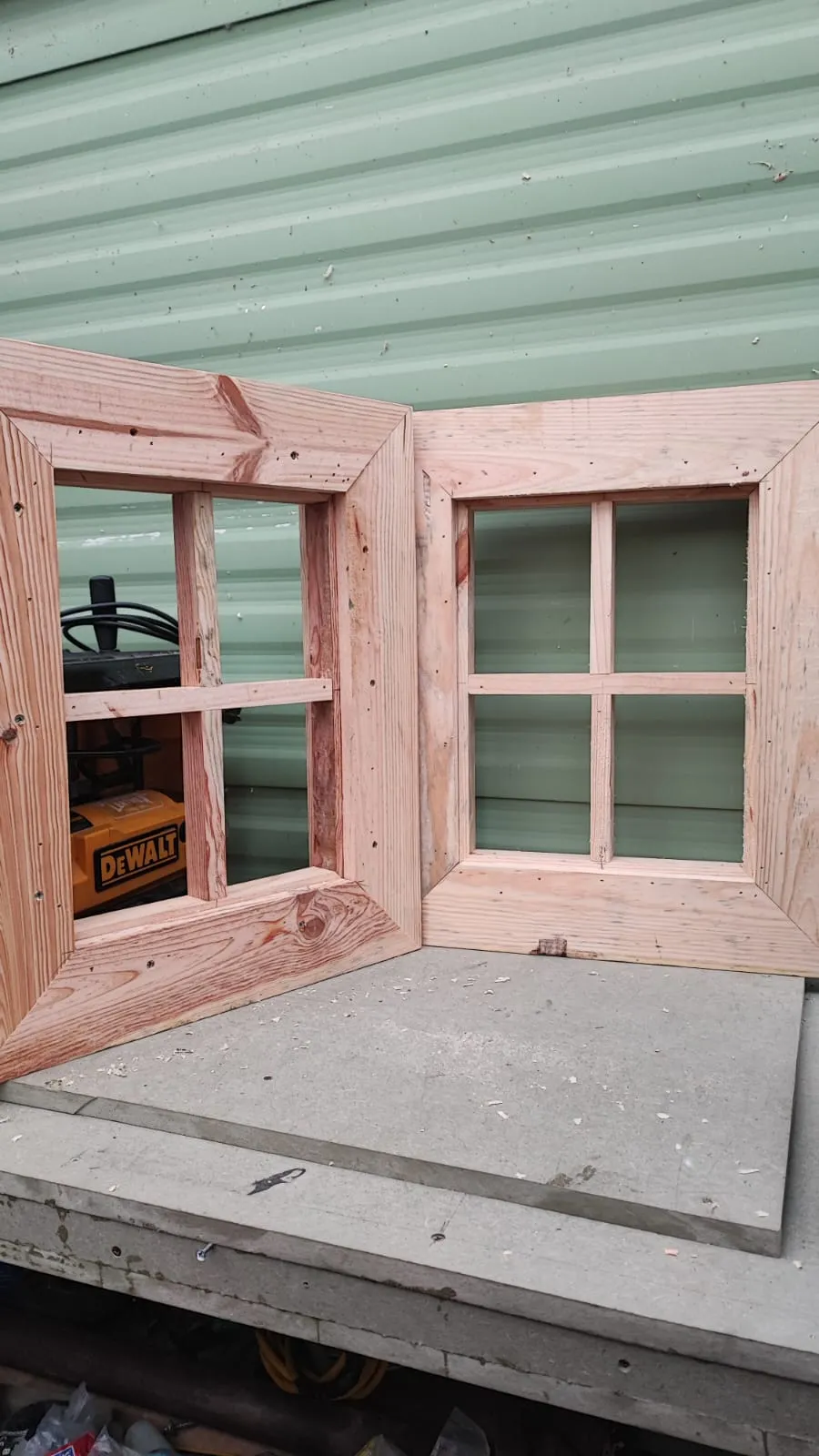
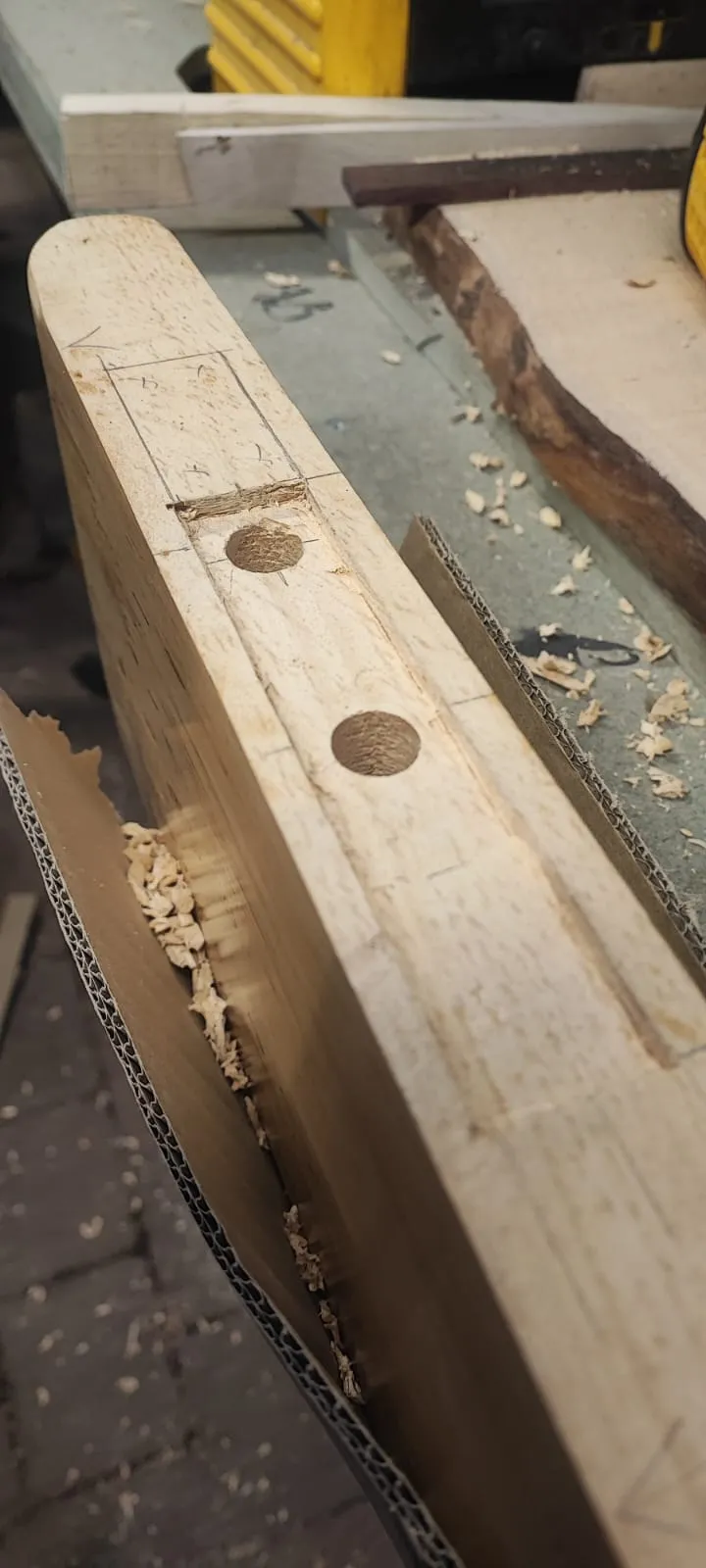
What quality joinery looks like: Mortice-and-tenon joints at the corners of frames and doors. Dovetail joints at the corners of drawer boxes. Wedged tenons. Joints that are visible and declared rather than hidden and denied. In a well-made piece, the joinery is often a design feature rather than something to conceal.
Ask the person selling you furniture what type of joints are used. If the answer is vague or the question seems surprising, that tells you something.
2. The Drawer Box
The drawer box is perhaps the single most revealing indicator of joinery quality in fitted furniture. It is the component that gets the heaviest use in a kitchen or bedroom and the one that is most often made cheaply.
Factory drawer boxes: Thin MDF or particleboard sides held together with staples and a small amount of adhesive, or injection-moulded plastic sides and base. These drawer boxes work adequately when new. In five years, in an Irish kitchen or bedroom with normal humidity variation, the corners begin to fail.
Quality drawer boxes: Solid hardwood sides, typically dovetailed at the front corners. A solid base of plywood fitted into grooves rather than nailed on from below. The weight and solidity of a quality drawer box is immediately obvious when you pull it out.
If you can look at the inside of a drawer box, do so. It is a reliable proxy for the overall quality of the piece.
3. The Finish Surface Under Close Inspection
Stand close to a surface and look at it from a low angle. The light raking across the surface will reveal every imperfection, sanding mark, and brush stroke.
Factory finish: Consistent, even, and often slightly plastic in appearance. Machine-applied lacquer or paint is very even because it is applied by a machine to a surface that has been mechanically sanded to a consistent profile. It can look excellent at normal viewing distance.
Hand finish: Slightly more variable in texture but with a depth that machine application does not produce. A hardwax-oiled surface that has been applied by hand and buffed has a quality of light interaction that lacquer, even good lacquer, does not replicate. This is not a flaw. It is the mark of how the finish was applied.
4. Whether the Piece Was Made for Its Space
A piece of furniture that was made for a specific room fits it precisely. There are no filler strips, no gaps between the unit and the ceiling, no awkward narrow sections where a standard module met an irregular wall.
Production furniture: Made to standard module sizes. Gaps between the furniture and the room are filled with strips, covered with moulding, or simply left as an accepted compromise.
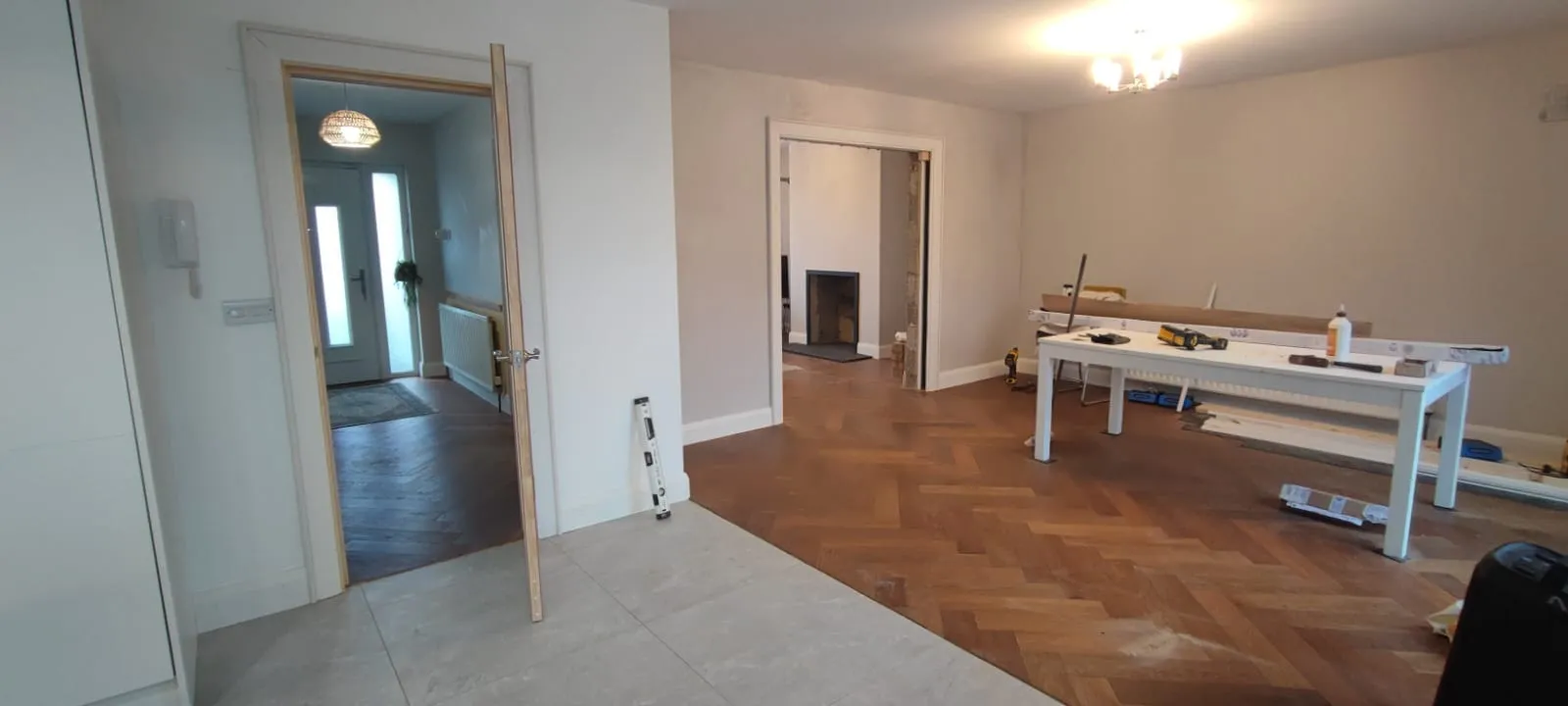
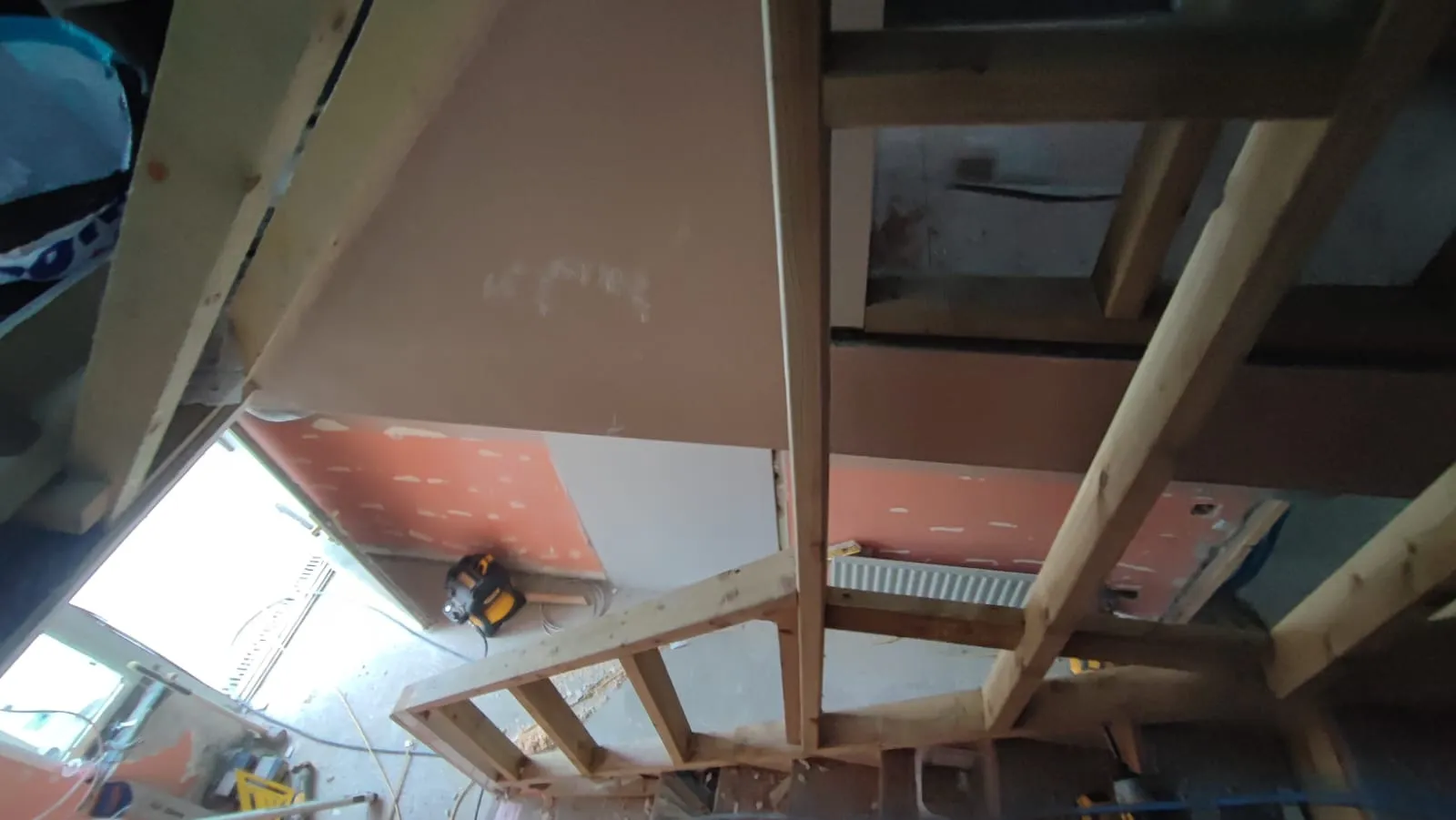
Bespoke joinery: Made to the exact dimensions of the room. Runs floor to ceiling where that is the intention. Fits the exact width of the alcove. Accounts for the ceiling that slopes slightly at one end. The fit is the primary evidence of whether a piece was made for this room or adapted to it.
This is most obvious in kitchens and fitted wardrobes, where the difference between a module-fit kitchen and a bespoke one is visible to anyone who looks.
5. The Edge Detail
The edges of components, where two surfaces meet, reveal how much time was spent on finishing the piece.
Factory edges: Often sharp or with a minimal radius applied by machine. Functional but without character. On lower-quality production, edges are sometimes slightly crushed or uneven where the laminate or veneer meets the substrate.
Hand-finished edges: Slightly eased with a hand plane or chisel, with a consistent chamfer or radius that catches the light cleanly. On moulded components, the profile is sharp and continuous rather than interrupted at joins and corners. The feel of a hand-planed edge is immediately different from a machined one.
6. What the Craftsman Can Tell You About the Piece
This is the simplest test and the most reliable. Ask the person who sold you the piece how it was made.
A craftsman who made the furniture personally can tell you: what species the timber is, where it came from, what joints were used, why certain design decisions were made, and what to do to maintain it. The answers are specific, immediate, and detailed because the person speaking made the piece and knows it.
A salesperson in a furniture showroom can tell you what is in the brochure. This information is not the same.
At Setanta, every piece John makes he can account for in complete detail, from the slab selection through to the finish specification. That accountability is part of what you are paying for when you commission handcrafted work.
A Note on Price as an Indicator
High price does not guarantee handcraft. The market for premium furniture includes a significant quantity of factory-made product that commands handcraft prices by virtue of branding, origin story, and photography. The tests above are more reliable than price.
Genuine handcraft does tend to cost more than mass production. The labour is more intensive, the materials are higher specification, and the process cannot be automated. If a piece is priced at the same level as comparable mass-market furniture and claims to be handcrafted, one of those claims is probably not accurate.
For genuinely handcrafted woodwork in Carlingford, Dundalk, Newry, and Co. Louth, the Setanta live edge and craft service covers everything from chopping boards to dining tables. If you want to understand the live edge side of what Setanta makes, the guide to what live edge wood actually is explains the process from slab to finished piece. Contact John on 083 003 3268.