Hospitality Carpentry Fit-Out in Carlingford and Co. Louth
Carlingford is a heritage town with a strong and growing hospitality sector. The combination of history, mountain scenery, and the Cooley Peninsula landscape makes it a destination where visitors arrive with particular expectations: authenticity, quality, and a sense of place that they cannot get at a chain hotel in a retail park.
The hospitality businesses that meet those expectations consistently are the ones whose built environment reinforces the story they are telling. Bespoke carpentry is one of the most effective ways to achieve this, and it is one of the areas where Setanta Woodcraft takes on commercial commissions alongside the domestic joinery work.
What Hospitality Fit-Out Carpentry Involves
A hospitality fit-out is a different discipline from a domestic renovation. The timescales are often tighter. The specification has to accommodate commercial use, regular cleaning, and the wear of daily public traffic. And the relationship between the carpenter and the property’s designer or operator needs to be collaborative and professional rather than a one-off transaction.
Setanta takes on hospitality carpentry fit-out work that spans the full scope of what timber can do in a commercial interior:
Structural and first fix carpentry for fit-outs: Partition walls, ceiling framing, platform construction, and any structural timber elements within a commercial renovation. This is the foundation that every visible element sits on.
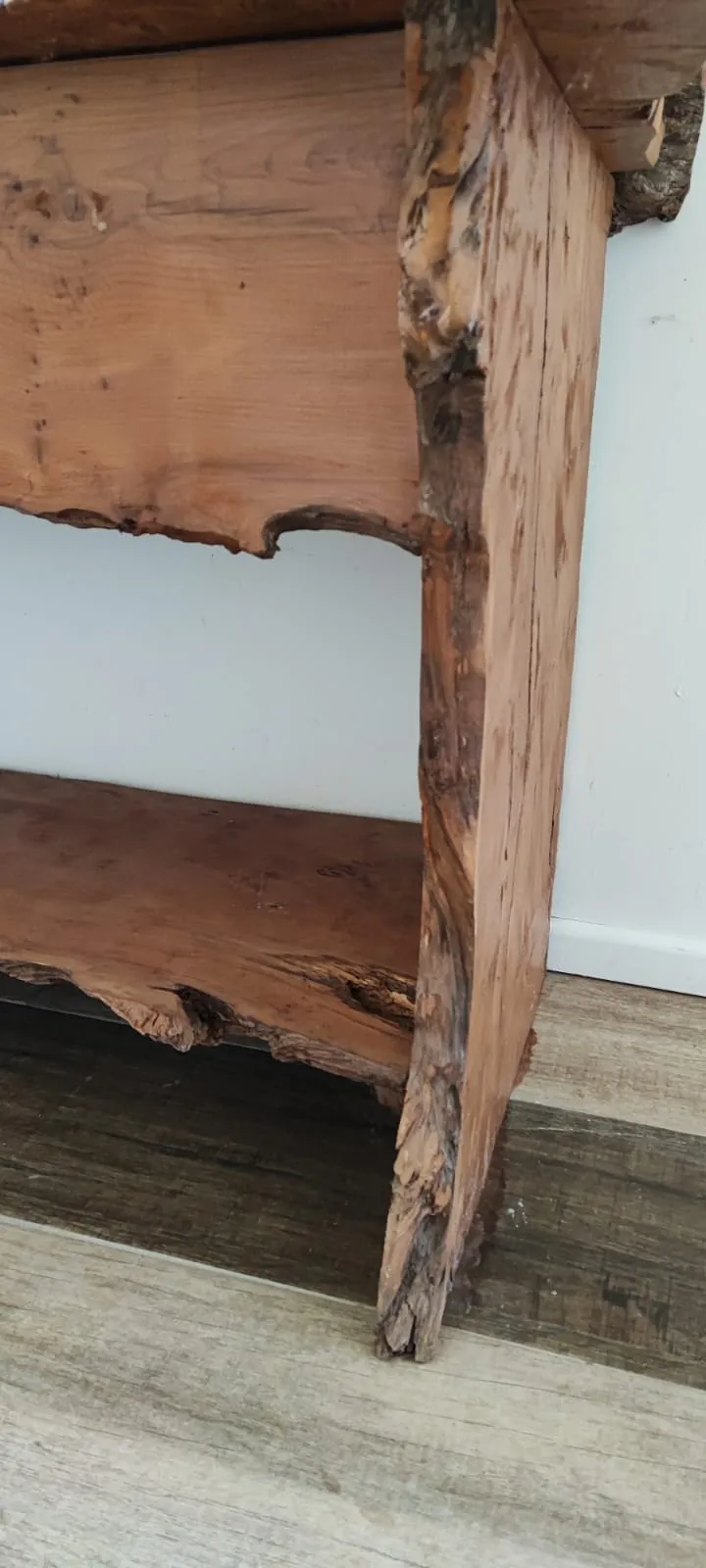
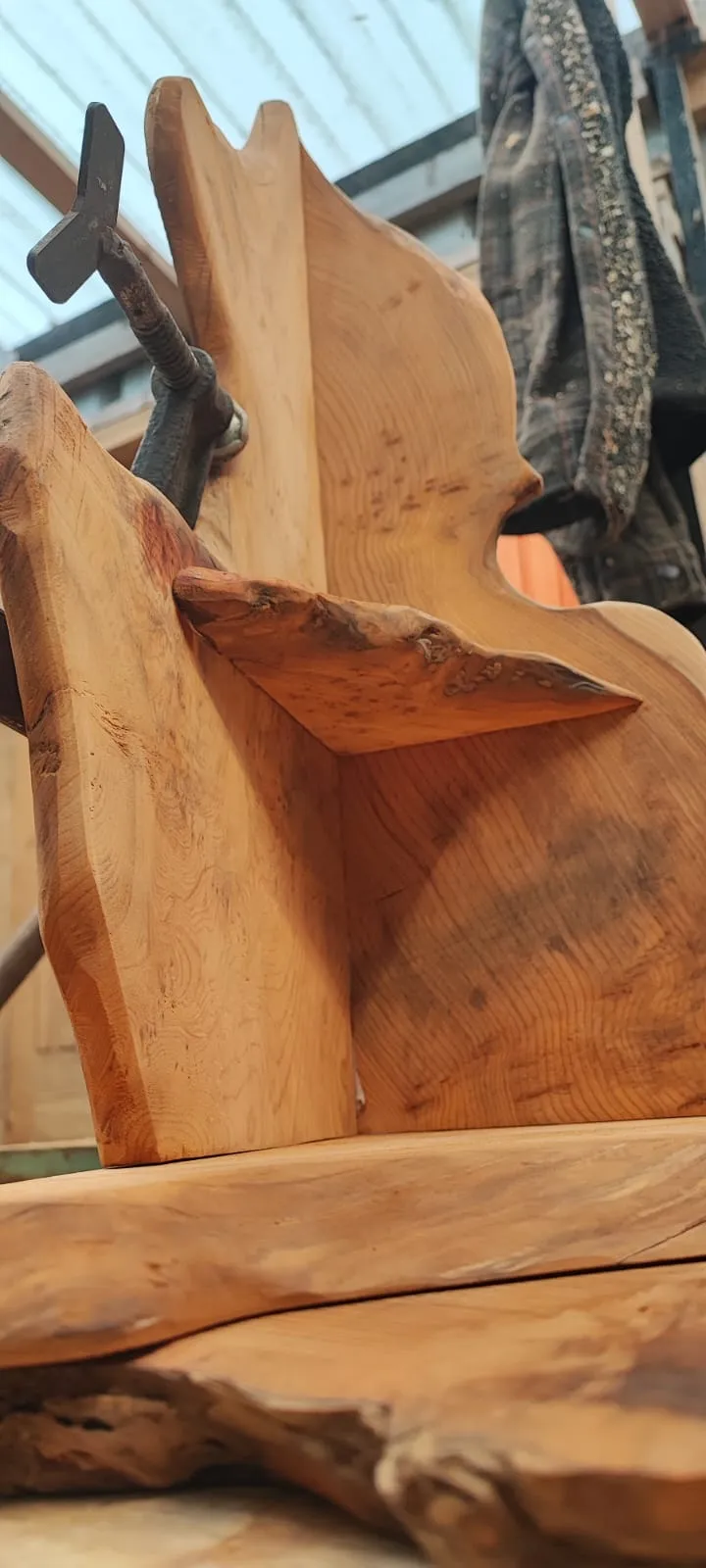
Bar tops and counter surfaces: A bar top is the single most commercially important piece of joinery in a pub or restaurant. It is where the customer sits and where the business transacts. A live edge oak bar top, a solid hardwood counter in walnut, or a simply detailed painted timber counter: the material and the quality define the character of the space before a drink is poured.
Back-bar shelving and display: The shelving behind a bar is visible from every seat in the room. It is a design statement as much as a functional element. John makes back-bar shelving in solid hardwood or painted timber to whatever specification the designer requires.
Fixed seating and booth carpentry: The timber elements of fixed booth seating, banquette structures, and table bases. The top rails, the capping, the table surfaces, and any decorative panel work that ties the seating together visually.
Reception desks and feature counters: In a hotel or guesthouse, the reception desk is the first significant piece of joinery a guest encounters. A well-made hardwood reception desk communicates investment and quality before a word is spoken.
Bedroom furniture and fittings: For boutique hotel rooms in Carlingford and across the wider Co. Louth hospitality market, fitted bedroom furniture in solid timber or quality painted finishes completes the interior experience. Bed heads, fitted wardrobes, bedside shelving, and desk surfaces made to the room’s specific dimensions.
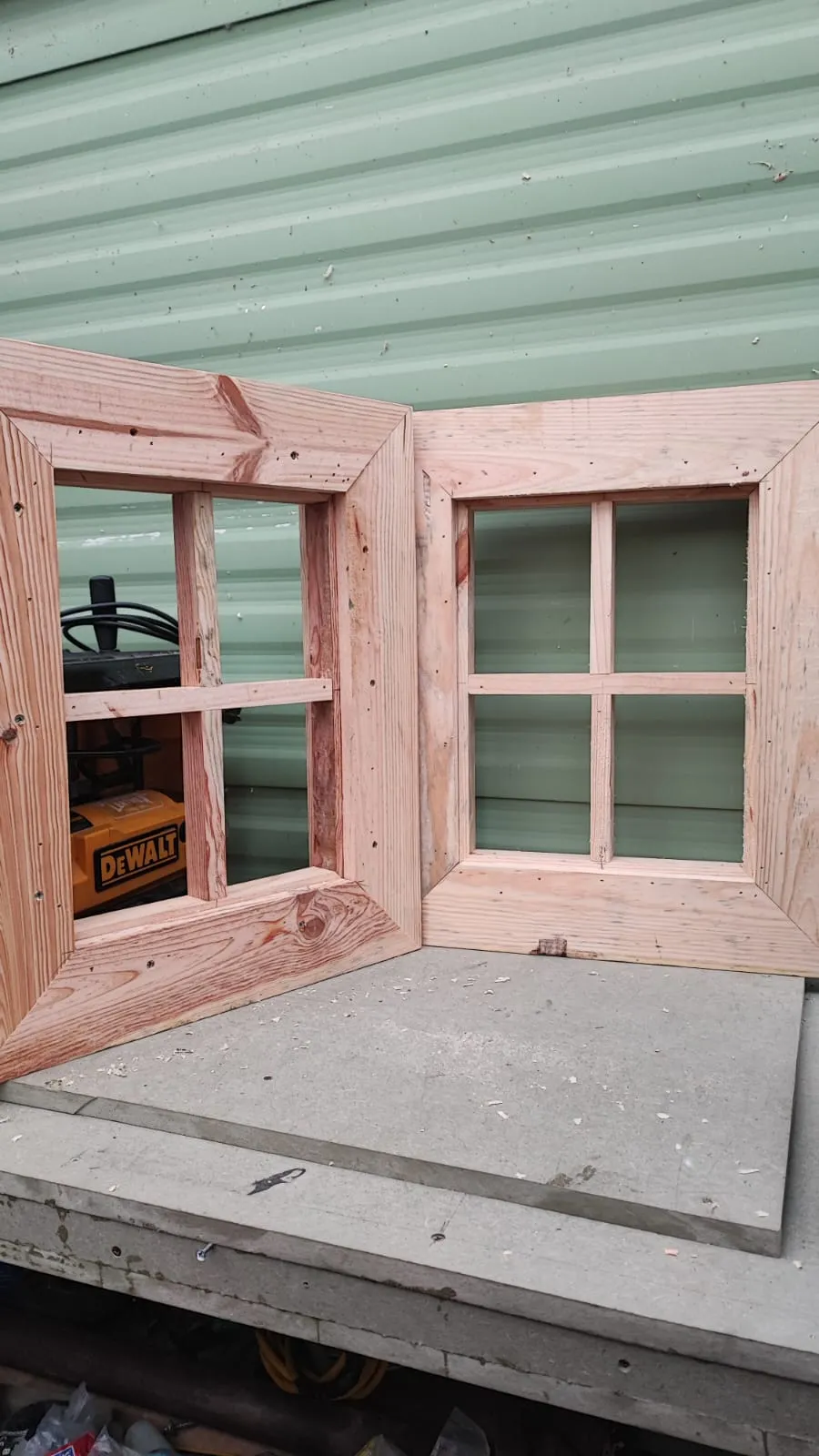
External joinery for outdoor dining: Covered outdoor dining areas, pergola structures, timber screens and privacy panels, and external seating elements. The Carlingford market has strong demand for outdoor dining, and timber is the material that suits the heritage character of the town’s exteriors.
The Carlingford Context for Hospitality
Carlingford is a medieval walled town. The built environment includes structures from multiple centuries, and the planning framework recognises and protects the character of the historic core. Businesses operating within or adjacent to the protected area are expected to maintain a standard of finish consistent with the town’s heritage character.
This is not a constraint that hospitality businesses should resent. It is the reason Carlingford works as a destination. Guests choose it because it looks and feels like what it is: a genuine historic town that has maintained its character. Every business that invests in authentic materials and quality craftsmanship contributes to the reason visitors keep coming back.
A bar fitted with live edge Irish oak, a restaurant counter in solid elm, a guesthouse reception desk in walnut: these pieces connect the business to the place. They are not interchangeable with contract furniture sourced from a catalogue. They are specific to Carlingford in the way the view of the Mourne Mountains is specific to Carlingford.
Commercial Specification vs Domestic
The difference between commercial and domestic joinery is primarily in specification and durability, not in quality of making.
Finishes for commercial use: Bar tops and counter surfaces must be finished in bar-grade lacquer or appropriate commercial hard-wearing topcoat, not hardwax oil. The finish must withstand daily cleaning, spilled drinks, and the constant abrasion of glasses and plates. John specifies commercial-grade finishes for all commercial contact surfaces.
Hardware and ironmongery: Commercial-grade hinges, catches, and drawer systems are specified for built-in elements in hospitality fit-outs. These are rated for the higher cycle counts of commercial use rather than the lower cycle counts of domestic applications.
Fire specification: Where building regulations require specific fire-rated materials or finishes in a commercial property, these are addressed at the specification stage. John works with the project’s designer or fire engineer to ensure compliance.
Installation timeline: Commercial fit-outs often have fixed opening dates. John works within these timelines and is explicit at the quoting stage about whether a given scope is achievable within the required programme.
Working with Designers and Operators
For larger hospitality projects, John typically works alongside an interior designer or architect who is directing the overall interior scheme. This collaborative model works well:
The designer specifies the materials, dimensions, and visual intent. John advises on what is technically feasible, what materials will perform correctly in the commercial context, and what the cost implications of different specification choices are. Samples are produced and approved before full-scale making begins.
For smaller operators fitting out a new pub or guesthouse without a designer, John can work directly with the client to develop a specification that achieves the intended character within the budget.
Frequently Asked Questions
Do you do full hospitality renovations or just specific joinery elements? Setanta can take on both the full carpentry scope of a hospitality renovation, including first and second fix, and individual joinery commissions such as a bar top or reception desk. The scope is agreed at the quoting stage.
Can you work alongside other trades during a fit-out? Yes. Hospitality fit-outs typically involve multiple trades working in sequence: builders, electricians, plumbers, plasterers, decorators, and joinery. John is experienced working within this kind of multi-trade programme and coordinates with the project manager on sequencing.
What is the lead time for a commercial joinery commission? Workshop-made pieces for a commercial commission, bar tops, shelving units, reception desks, require four to eight weeks from confirmed order. For projects with fixed opening dates, early engagement is essential to ensure the timeline is workable.
For hospitality carpentry fit-out in Carlingford, Dundalk, Newry, or across Co. Louth, the Setanta renovation carpentry service covers the full scope. The live edge and bespoke woodwork for hospitality interiors is covered under the Setanta live edge service. Contact John directly on 083 003 3268 to discuss your project.