Solid Wood vs Painted MDF Kitchen Doors: What to Choose for an Irish Home?
The door is what you see and touch every day. It’s the first thing that defines whether a kitchen feels well-made or not. And in most kitchens, the door choice is one of the last decisions made, an afterthought after layout and appliances, when it probably deserves more thought than either.
Two materials dominate bespoke and quality fitted kitchens in Ireland: solid hardwood and painted MDF. Both are legitimate choices. Both have real advantages. And both perform differently in an Irish kitchen environment over time.
Here’s an honest comparison, from someone who works with both.
What Is a Solid Wood Kitchen Door?
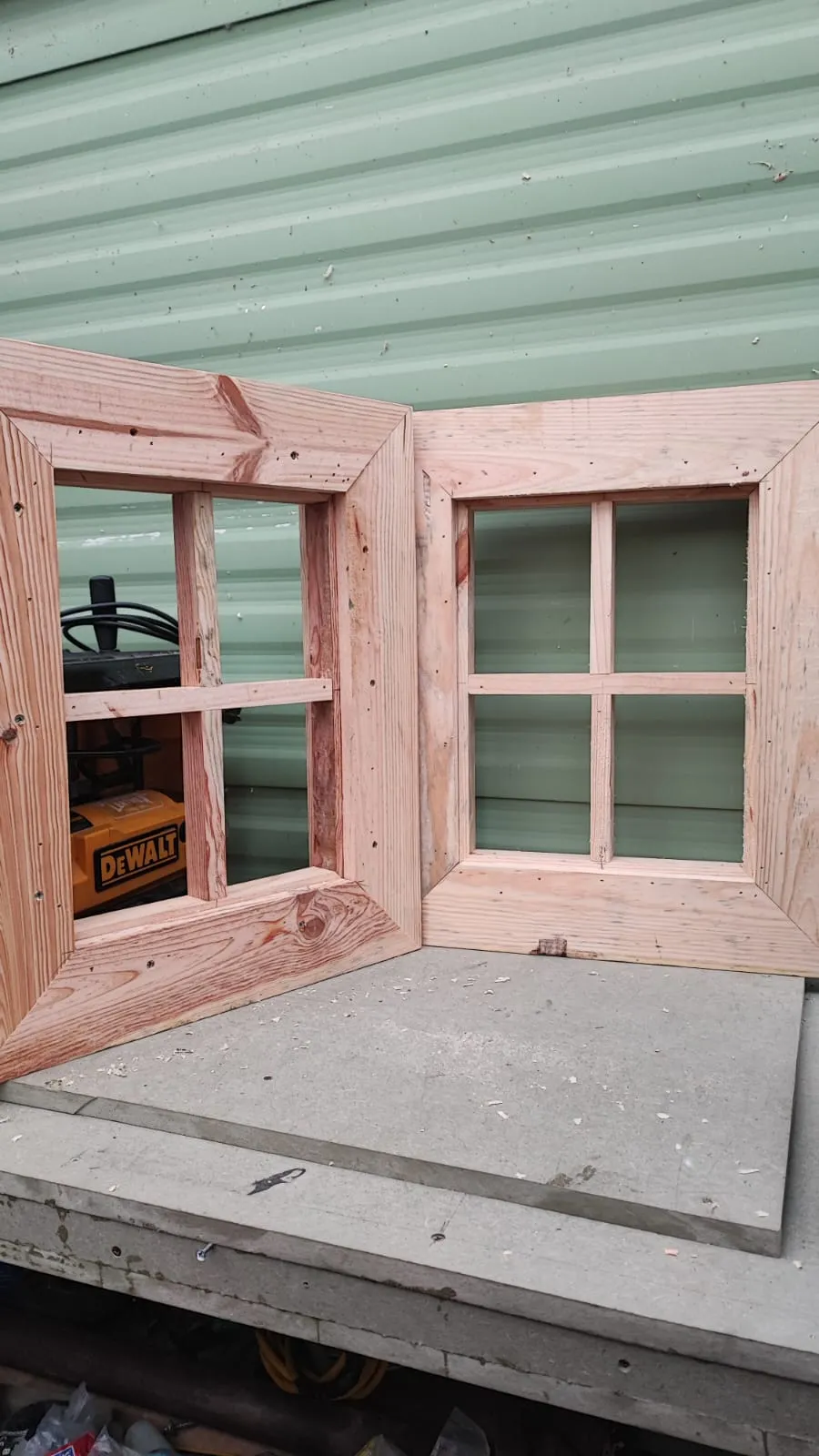
A solid wood door is exactly that: made from solid timber, usually oak, ash, or walnut, either in a single wide board or, more commonly for stability, as a frame-and-panel construction. The stile and rail (the frame) and the panel are all solid hardwood.
Solid wood doors can be oiled, waxed, stained, or painted. Left natural and finished with hardwax oil, they show the grain, the character, and the warmth of the timber. The species matters too, oak, ash, and walnut each behave differently and suit different kitchen styles. That choice is covered separately in the guide to timber species for Irish kitchens. Painted, they can look clean and contemporary while still being solid hardwood underneath.
What solid wood does well:
- Exceptional durability, a well-made solid hardwood door should outlast the rest of the kitchen
- Repairability, dents, scratches, and surface damage can often be sanded back and re-finished
- Character, grain variation, natural movement, and warmth that no man-made board replicates
- Longevity in a correctly ventilated kitchen environment
What solid wood requires:
- More careful management of moisture, solid wood moves with humidity changes, and doors need to be made with this in mind (frame-and-panel construction is standard for this reason)
- Higher initial cost than painted MDF
- A craftsman who understands how timber behaves
What Is a Painted MDF Kitchen Door?
MDF (medium-density fibreboard) is a manufactured board made from wood fibres and resin, pressed under heat. It has a smooth, uniform surface that takes paint exceptionally well, better than solid wood in many respects, because there’s no grain variation or knot movement to telegraph through a paint finish.
Quality painted MDF kitchen doors are made from moisture-resistant MDF (essential in a kitchen environment), shaped and profiled in the workshop, primed, and painted with a durable kitchen paint or lacquer finish. The result can look genuinely excellent, clean, smooth, and consistent. If you want to understand how both door types are made and fitted in practice, the full walkthrough of a bespoke kitchen build covers each stage.
What painted MDF does well:
- Very smooth, even paint finish, no grain showing through
- Dimensionally stable, doesn’t move with humidity changes the way solid wood does
- More cost-effective than solid hardwood
- Can be painted in any colour, including complex bespoke colours
What painted MDF requires:
- Moisture resistance specification matters, standard MDF will swell and fail in a kitchen; moisture-resistant grade is non-negotiable
- More difficult to repair than solid wood, chips and damage are harder to restore invisibly
- Must be painted, not left natural
How Irish Climate Affects Both Materials
This is the factor most guides ignore. Ireland is not a dry climate. The combination of damp air, central heating cycles, and a kitchen environment, where heat and steam spike repeatedly throughout the day, puts significant stress on any material.
Solid wood expands in high humidity and contracts in dry conditions. A well-made solid door, built with appropriate frame-and-panel construction and finished correctly, handles this movement gracefully. A poorly made solid door, one where the panel is glued in and can’t move, will split or warp.
Moisture-resistant MDF is more dimensionally stable through humidity cycles, which is why it’s often a better choice for painted finishes in Irish kitchens. It won’t move, and the paint finish won’t crack along grain lines.
The key is specification. John builds solid doors with the movement in mind, and uses moisture-resistant MDF as standard on painted work. Both materials work well when they’re used correctly.
Style Considerations
Solid hardwood tends to suit:
- Traditional, Shaker, or unfitted kitchen styles
- Homes with exposed timber beams or timber floors elsewhere
- Clients who want the warmth and character of natural grain visible
- Heritage properties in Carlingford and across the Cooley Peninsula
- Finishes in natural oil, wax, or stained hardwood
Painted MDF tends to suit:
- Contemporary, clean-lined, or Shaker-with-colour kitchens
- Any situation where a specific paint colour is the priority
- Modern extensions and new builds where the kitchen is part of an open-plan space
- Clients who want a particular Farrow & Ball or RAL shade
There is no objectively correct answer. Both can look excellent. The choice should reflect the style of the house and what you want the kitchen to feel like.
Cost Difference
In a bespoke joinery context:
- Painted MDF doors: approximately €150–€350 per door depending on size and profile
- Solid hardwood doors: approximately €220–€500 per door depending on timber species, size, and profile
For an average kitchen with fifteen to twenty doors and drawer fronts, the difference between painted MDF and solid hardwood can be €1,500–€3,000 on materials alone. It’s a real difference, but not the dominant cost in a kitchen project.
What John Usually Recommends
There’s no universal right answer, but a few principles apply consistently:
For a contemporary kitchen with a flat-front or very simple Shaker profile, painted MDF is often the better technical choice, the finish is cleaner and it handles the Irish climate with less fuss.
For a traditional Shaker or in-frame kitchen where the material itself is part of the aesthetic, solid hardwood makes the kitchen feel right in a way that MDF cannot replicate.
For heritage homes in Carlingford, Omeath, and across the Cooley Peninsula, stone-built, period properties, solid hardwood almost always belongs in the design.
The starting point should always be the home and the style it calls for, not the material you’ve decided on before the conversation starts.
Frequently Asked Questions
Can I have solid wood carcasses and painted MDF doors?
Yes, and it’s a reasonable combination. Solid hardwood or birch ply carcasses for durability, with painted MDF doors for a clean contemporary finish. The carcasses are mostly hidden; the doors are what you see.
How do I care for painted MDF kitchen doors?
Wipe down with a damp cloth, avoid abrasive cleaners. Keep the area around the hob and extractor as clean as possible; grease buildup on any painted surface degrades it over time. Avoid prolonged exposure to steam, extraction is important.
Can solid wood kitchen doors be repainted?
Yes, solid hardwood doors can be stripped back and repainted as part of a kitchen refresh. MDF doors can also be repainted, though chipped edges on MDF are harder to restore invisibly than on solid hardwood.
Setanta Woodcraft & Carpentry builds fitted kitchens across Carlingford, Dundalk, Newry, and Co. Louth using both solid hardwood and quality painted MDF, the choice depends on the project. Get in touch to discuss what suits your home.